
Tired of clunky hiking boots weighing you down?
Whether you’re tackling summer trails, fastpacking, or want something lighter underfoot. The right pair of lightweight hiking shoes can transform how you move outdoors. This guide covers the top options and what to look for—so you can hit the trail with comfort and confidence.
Why Lightweight Hiking Shoes Are a Game-Changer
Lightweight hiking shoes are the go-to for hikers who value speed, comfort, and breathability. Unlike traditional boots, these shoes cut foot fatigue and help you move efficiently. Especially on long treks or in warm weather.
Here’s why they’re worth considering:
✅ Less weight = less fatigue: Every gram matters. Lightweight shoes reduce strain and help you go farther with less effort.
✅ Breathable materials: Mesh and hybrid fabrics boost airflow. Perfect for warm climates and summer hikes.
✅ Greater agility: A flexible build gives you better responsiveness and faster movement. Especially on uneven ground.
✅ Quick break-in time: Most lightweight shoes feel trail-ready right out of the box.
Whether you’re heading out for a day hike or a fastpacking mission. These shoes are a trail-tested, smart choice.
Key Features to Look for in Lightweight Hiking Shoes
Now that you know the benefits, here’s what makes a great pair.
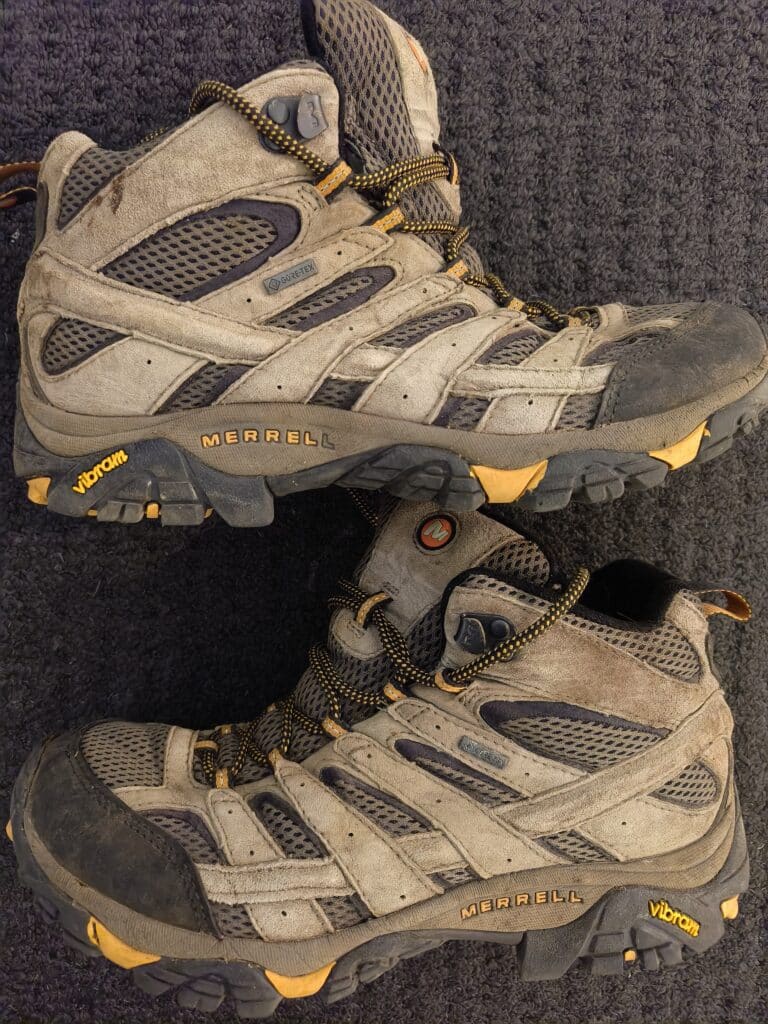
Materials & Build
- Lightweight uppers made from synthetic blends or ripstop mesh. Reducing weight and increasing airflow.
- Gore-Tex and similar membranes keep feet dry while remaining breathable.
- Non-waterproof models offer better ventilation for hot, dry hikes.
Comfort & Fit
- A wide toe box helps prevent blisters and lets your toes spread naturally.
- EVA foam midsoles absorb shock and reduce joint strain.
Traction & Grip
- Deep 4–5 mm lugs provide grip on loose or uneven terrain.
- Sticky rubber soles enhance traction on wet rock and steep slopes.
These features help your shoes perform on real trails—whether you’re out for a few hours or an all-day hike.
Lightweight Hiking Shoes: Pros & Cons
To help you decide, here’s a quick breakdown:
| Pros | Cons |
| ✅ Less fatigue – Reduces strain on legs and feet | ❌ Less ankle support – Compared to boots |
| ✅ Breathable – Great for warm-weather hikes | ❌ Lower durability – Some wear faster on rough trails |
| ✅ Quick break-in – Comfortable out of the box | ❌ Not ideal for heavy loads – Less support with big packs |
| ✅ Agile – Allows quicker, more responsive movement | ❌ Limited waterproofing – Breathable models let water in |
| ✅ Great for dry trails – Perfect for day hikes and fastpacking | ❌ Reduced protection – Thinner soles expose you to sharp terrain |
Bottom line: These shoes are excellent for summer hikes, dry trails, and speed-focused trips. But they may not hold up for backpacking or rugged alpine routes.
Best 3 Lightweight Hiking Shoes for Trail Performance
Below are our top three picks—tested for comfort, grip, and trail performance. I wear Altra for light trail runs and can vouch for their comfort.
Comparison Table: Lightweight Hiking Shoes
| Model | Weight | Durability | Materials & Build | Comfort & Fit | Traction & Grip | Price (USD) | Bottom Line |
| Altra Lone Peak 9 | ~314g | Light, fairly durable (some fraying) | Quick-dry mesh, synthetic, zero-drop | Spacious toe box, cushioned, minimal break-in | MaxTrac outsole with Trail Claw lugs | ~$150 | Best for breathability and natural foot movement |
| Salomon X Ultra 4 GTX | ~390g | Tough, synthetic (some wear over time) | Gore-Tex membrane, synthetic, Quicklace | Snug fit, solid chassis support | Contagrip MA outsole | ~$180 | Excellent for technical, wet terrain |
| Merrell Moab 3 | ~425g | Very durable | Suede/mesh upper, EVA midsole | Immediate comfort, plush heel, roomy toe | Vibram TC5+ outsole with 5mm lugs | ~$110 | Ideal all-rounder for casual to moderate hikes |
Final Thoughts
That wraps up your guide to lightweight hiking shoes. The chart above gives you the essential info to pick a shoe that fits your goals, terrain, and budget. Our Best Budget Gear For Beginners covers gear other than shoes.
Still unsure which one to choose?
Check out our solo hiking gear checklist or visit your local outdoor store to try them on. Your feet will thank you on your next adventure.