1. Introduction
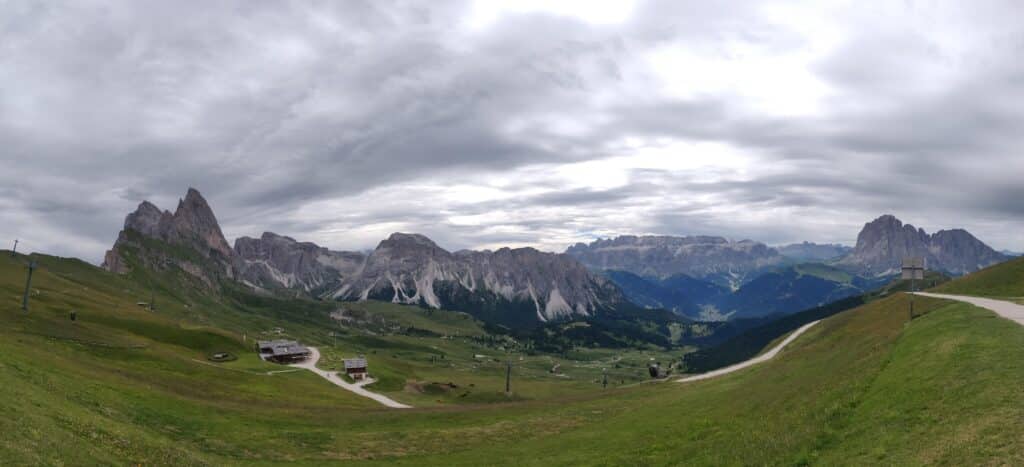
You step out of a small-town supermarket, a loaf of fresh bread and cheese in hand. Then you look up and there they are. Jagged limestone spires rising out of alpine meadows, so surreal it feels like a movie set. This is the Dolomites.
I’ve been lucky enough to hike here twice. Each time I’m blown away. What makes this region special for solo hikers is how accessible it is. Seamless transport links from major Italian cities. And a network of rifugios and trails designed for ease and safety. The Dolomites are a solo hiker’s paradise. The blend of Austrian/Italian culture is the cherry on top.
In this article, I’ll show you exactly how to plan your own Dolomites adventure. From when to go, to where to start. The strategies that will make your trip unforgettable. Let’s dive in.
2. When to Hike & Weather in the Dolomites
What people don’t realise is the Dolomites is a ski mecca in the winter time. Because of the altitude and topography, hiking in winter here is best left for the super adventurous. The three seasons for hiking are:
- Spring (May–June): wildflowers, lingering snow at high passes.
- Summer (July–August): long days, fully open huts, but crowded.
- Autumn (Sept–early Oct): golden larches, fewer crowds, cooler temps.
Spring
During the spring months the crowds will be lower. You may encounter some snow at the higher passes and altitudes. One word of warning is that all the infrastructure (refugios and lifts) may not be fully operational at this time
Summer
This is peak season. You will have long summer days and excellent hiking conditions. The crowds will be greater during the peak periods and as such some of the costs of accommodation will be higher.
Autumn
This is one of my favourite times for hiking in any country. The summer peak has passed, so crowd numbers will be lower. You will have cooler temps that are great for hiking in. The other thing to note is the leaves start to change, so the colours are out in full force.
I have been in summer and autumn with both seasons providing the goods.
3. Planning & Booking for a Dolomites Trek
You are hooked on the idea of a hiking trip in the Dolomites. You know which month you are going to lock in. Next up is the exciting stage of planning and booking your trip.
Day Hikes vs. Multi Day Hikes
Both trips I based myself out of a town and did day hikes from there. The infrastructure is so well set up for this. It makes the whole thing so easy. For day hikes you can choose to base yourself in one of the towns in Val Gardena (I stayed in Ortisei). Or you can stay in a bigger hub like Merano or Bolzano (I based myself here for my first trip). The bus network is super convenient and drops you at the start of many of the day hikes. Towns in Val Gardena have chairlifts and cable cars. Whisking you up onto the mountains from directly in town.
For multi day hikes you can look into Alta Via 1 & 2 – both are point to point hikes. Alta Via 1 links Belluno and Lago Di Braies and is the main multi day walk covering 125km. Alta Via 2 is the lesser known hike linking Brixen to Croce d’Aune over 160Km.
If you are looking at day hikes I would suggest 5-7 days is adequate. You can always take a rest day in town and relax and enjoy the mountain culture.
Permits
In general you don’t need permits for the Dolomites. In saying that there are a fey key points to note. You will need a permit for Driving to Tre Cime (Auronzo Refuge). As a general rule there is no wild or free camping permitted in the Dolomites.
4. Accommodation: Camping vs Rifugios vs Hotels
You’re swapping trail stories with fellow hikers when you ask where they’re staying. “Just a short walk from here,” they say. Meanwhile, your place is an hour-long bus ride away. That sinking feeling, knowing you picked the wrong base. Fear not though as this can be avoided. Here are your main accommodation options in the Dolomites, and who they’re best for.
Rifugios
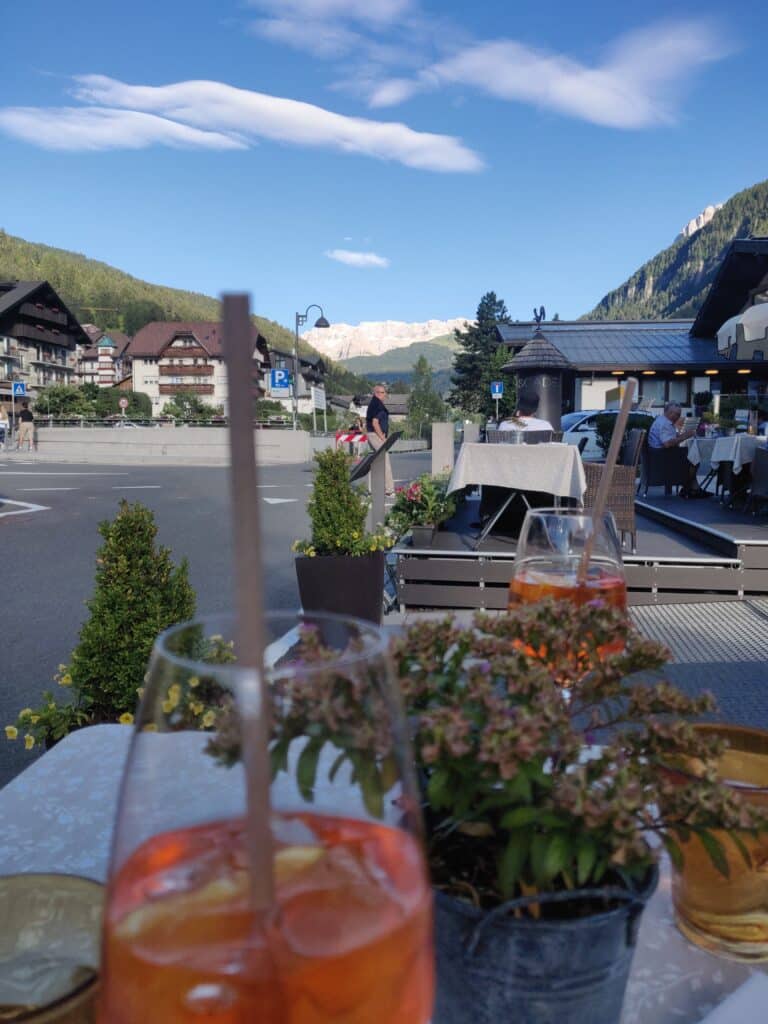
The Dolomites boast over 1,000 rifugios. Perched in spectacular spots across the mountains. Most offer dorm-style bunks, with some private rooms at a premium. Meals are often included (half- or full-board, with optional packed lunches). Terraces serve as the perfect place for a post-hike beer.
Best for: solo hikers who want to stay on the trail, meet others, and enjoy mountain culture without commuting.
Camping
Wild camping is heavily restricted in the Dolomites. Bivouacking (sleeping outdoors without a tent) is only allowed above 1,500m, between 6pm and 6am. For those who want the camping vibe, official campgrounds like Camping Seiser Alm provide a legal and comfortable option.
Best for: hikers on a shoestring budget who don’t mind restrictions or prefer established campgrounds.
Hotels/Guesthouses/BnB’s:
Towns in Val Gardena and Bolzano have plenty of accommodation options. Staying here lets you leave bulkier luggage in your room and take only a light day pack onto the trails. On my first trip I stayed in a hostel to keep costs down; later visits I opted for guesthouses — both worked well.
Best for: solo hikers who want comfort, flexibility, and a base to return to each night.
| Option | Cost | Comfort | Convenience | Best For |
| Camping | cheapest, if wild / official campgrounds | Basic, weather-dependent | Limited due to restrictions; some campgrounds available | Budget hikers, those who prefer sleeping outdoors, or campers using official sites |
| Rifugios (Mountain Huts) | mid-range | Shared dorms, some private rooms | On-trail locations, meals often included | Solo hikers wanting social atmosphere, alpine culture, and minimal commuting |
| Hotels, Guesthouses, BnBs | wide range: budget hostels → boutique hotels | Private rooms, full amenities | Located in towns, easy baggage storage, bus links to trailheads | Solo hikers seeking comfort, flexibility, or a stable base for day hikes |
5. Food & Water on the Trail
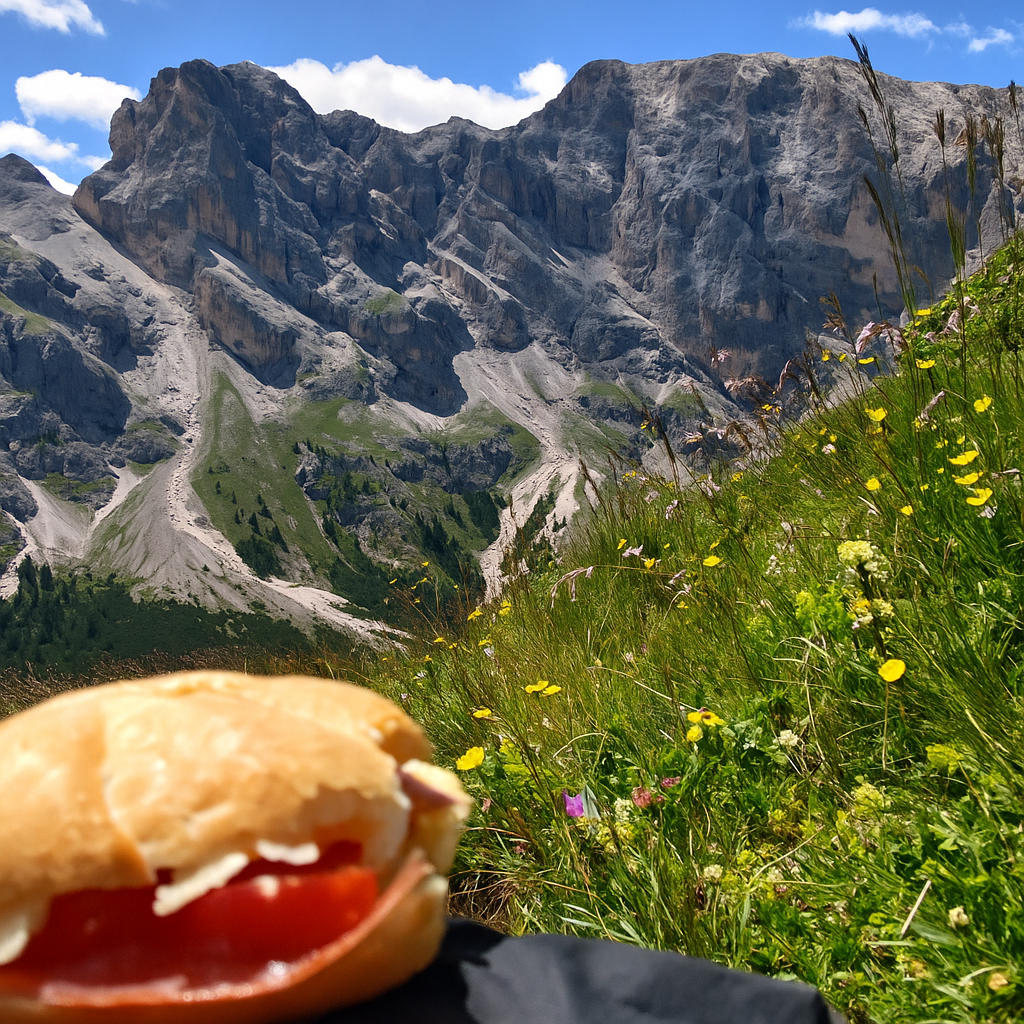
You’ve finished a solid morning hike and found the perfect hillside spot for a picnic. With bread, cheese, and fruit from the local supermarket, lunch doesn’t get much better.
Where you stay will shape how you eat in the Dolomites.
Rifugios (Mountain Huts)
Meals are usually included. At minimum breakfast and dinner, often with the option of a packed lunch. Some rifugios also serve hearty midday meals to passing hikers. Though menus are limited and prices higher than in town.
Town Bases (Hotels/Guesthouses)
If you’re based in towns like Val Gardena or Bolzano. You’ll find supermarkets and bakeries for trail lunches. While most guesthouses include breakfast. Dinners are a highlight: expect Tyrolean mountain cuisine. A delicious blend of Italian and Austrian flavors. With specialties like polenta, speck, and apple strudel.
Water on the Trail
Water sources can be scarce in some areas, so always carry enough. You’ll usually find refill points at rifugios, chairlift stations, or gondola bases. But don’t assume every trail has them. Bring a reusable bottle or hydration bladder and top up whenever you can.
Snacks
Keep a stash of high-energy snacks (nuts, chocolate, dried fruit) for long stretches. If you’re staying in rifugios, stock up on supplies before leaving larger towns, since choices on the trail are limited.
6. Best Starting Points in the Dolomites
Cortina d’Ampezzo – Popular hub, access to Tre Cime and Alta Via routes
Known simply as Cortina, this is the most popular summer and winter hub in the Dolomites. It’s well connected with Venice and Treviso airports nearby. With trains running to Calalzo di Cadore, with buses onward to Cortina. You’ll find shops, supermarkets, and accommodation for all budgets. From here, classic hikes include the Tre Cime di Lavaredo Circuit and Croda da Lago Circuit.
Bolzano – Gateway city with the best transport links
Bolzano is the largest city in South Tyrol. Sitting on the Italy–Germany railway line and serviced by high-speed Frecciarossa trains. It’s an easy, convenient base if you’re short on time but still want great access to the trails. Like Cortina, it has all the modern comforts of a city. One personal highlight: the Church of St. Magdalena in the Val di Funes (Villnöss Valley). A hike framed by some of the Dolomites’ most iconic views.
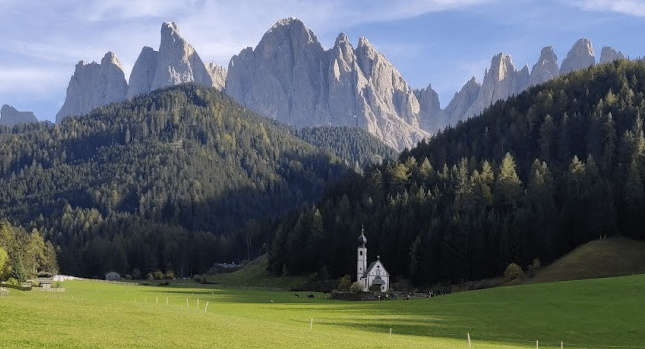
Ortisei / Val Gardena – Alpine meadows and Access to Seceda
Val Gardena is a breathtaking valley made up of three villages. Ortisei, Selva, and Santa Cristina — linked by a reliable bus network. To reach it, travel via Bolzano, then catch a one-hour bus ride into the valley. Views start immediately and only get better. Highlights include the Seceda ridgeline and the famous Forcella Sassolungo chairlift (nicknamed the “coffin lift”). This delivers you straight into dramatic mountain scenery.
Dobbiaco/Toblach – Classic Alta Via 1 starting point
This small town, about 70 km from Bolzano, is quieter and less developed than the hubs above. You’ll need to catch a bus to get here from one of the major cities in the regions. It is a popular launch point for the Alta Via 1. This makes it a functional choice if your goal is a long-distance trek rather than town-based day hikes.
7. Solo Safety in the Dolomites
It’s late in the day, the last bus leaves at 4 pm, and you’re not sure which trail leads back. We’ve all been there — and it’s the worst feeling. Here’s how to make sure you stay safe and on track when hiking solo in the Dolomites:
Local Knowledge Start at the tourist office if there is one, or ask in a local hiking store. The staff live and breathe these mountains and can point you to reliable routes and maps.
Guided Tours If you’re new to the area, consider joining a guided hike. I was skeptical at first, but my tour turned out to be a highlight. It was a clear day, our guide was able to point out the entire European Alpine range. Which is surprisingly small!. It’s a great way to learn and gain confidence.
Trail Markers In the Dolomites, trails demarcated with red-and-white paint. Each route has a number to match official maps with times/Km guides. The system is reliable and easy to follow.
Maps & Apps Hard-copy maps are available at tourist offices and accommodations. Pair them with apps like AllTrails for extra backup.
GPS Devices On the main tourist trails, you’ll rarely need a GPS, paths are well-marked and often busy. But if you plan to venture into less-traveled areas, a GPS device (or offline maps) can be a smart safety net.
Safety Reminder Remember, this is alpine terrain. Weather can change fast. Pack accordingly and check out our full packing guide here before you set out.
8. Wrap Up
Alright, you’re now armed with the key information you need to plan your solo hiking adventure in the Dolomites. From picking the right starting point to understanding rifugios, food, and navigation. You know what to expect and how to prepare.
The most important thing? Choose routes that match your ability and goals. The Dolomites have something for everyone. Whether you want a multi-day trek on the Alta Via, or a short day hike through alpine meadows.
If you’d like to dive deeper. I recommend Shorter Walks in the Dolomites by Gillian Price for detailed route descriptions.
Don’t overthink it. Get out there, plan your trip, and enjoy this spectacular corner of the Alps.