
Thinking about adding trekking poles to your hiking setup but not sure if they’re worth it? Whether you’re climbing steep trails, hiking long distances, or looking for extra support. Trekking poles can reduce strain on your joints, improve stability, and even double as shelter supports.
In this guide, you’ll learn the top benefits of trekking poles. How to choose the right type, and which models are best for beginner solo hikers.
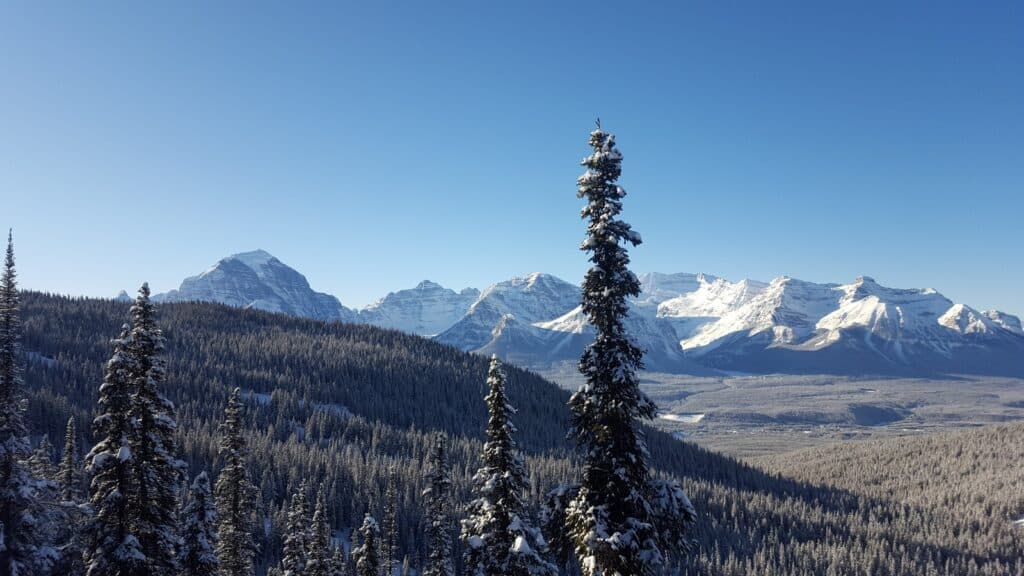
Benefits of Trekking Poles
Trekking poles aren’t just for ultra-hikers or mountain climbers. They’re a versatile tool that can benefit nearly every hiker. Whether you’re navigating rocky trails, crossing streams, or hiking long distances, poles help take strain off your lower body and provide much-needed stability.
They reduce pressure on your knees and hips, improve your posture, and help you stay balanced on uneven ground. Beyond hiking, trekking poles can also be used for shelter setups, testing trail depth, or even deterring curious wildlife.
Let’s break down the specific advantages.
Increases Balance & Stability
Trekking poles give you an extra point of contact with the ground. This improves your stability—especially on descents. They help shift your center of gravity and reduce the chance of slips or falls.
Reduces Joint Stress
The above point leads into taking pressure off your joints. This is super important for your knees. If you haven’t hiked with trekking poles before and you take them out on the trail. You will notice at the end of a long day’s hike your knees will be much better for it.
Understanding Trekking Pole Types
Trekking poles or staffs have become commonplace over the last few years. They offer many benefits and can make your hike that much more enjoyable. Let’s cover the different types of trekking poles so you can make an informed decision.
Single or Double?
Do you take one staff or two trekking poles? That is the big question that gets asked a lot. It all comes down to preference and what you are trying to get out of your poles. Trekking pole can are sold as a pair. You can utlise one or two at a time. A hiking staff refers to a single pole or staff.
Fixed vs. Adjustable Length
A hiking staff is a fixed length, these could be in the form of a good stick found out on the trail. Whereas a trekking pole is usually metal in build and can be adjustable. When selecting a length of pole. A good rule of thumb is the pole will form a right angle when held with the tip on the ground with your arm out in front.
How To Choose – Features to Consider
As outlined above. A staff is fixed and a trekking pole offers adjustability. Trekking poles come in two main types. Telescopic or clip ons. Both offer adjustability of length. This is especially handy when going up or down steep terrain. Different lengths allow you to provide a stable base.
Another key feature to look for is how it folds or packs away. You won’t need or want your poles out the entire hike. So you will want to fold them and attach them to your pack. Look for some key locking mechanisms here.
Finally, you want a durable tip on the end. This could have shock absorption features on the base of the pole. Or a flared out catch to provide stability on soft ground.
Next lets touch on why you should look at adding trekking poles into your quiver.
Top 5 Trekking Poles for Solo Hikers
We’ve reviewed some of the best trekking poles for solo hikers. Our reviews take into account comfort, weight, adjustability, and price. Whether you’re on a tight budget or ready to invest a little more. Here are five great options from trusted brands like REI, Decathlon, and Black Diamond.
| Model | Pros | Cons | Comfort | Weight | Length | Bottom Line | Price |
| REI Co-op Traverse Trekking Poles | Durable 7075 aluminum shaft; cork grips for moisture management | Slightly heavier than carbon models | High | 0.55kg | 94-140cm | Excellent all-around poles for various terrains | $119.00 |
| REI Co-op Trailmade Trekking Poles | Affordable entry-level option; foam grips | Less durable over long-term use | Moderate | 0.48kg | 99-140cm | Great for beginners on moderate hikes | $79.95 |
| Forclaz MT900 V2 Hiking Pole | Compact and sturdy design; ergonomic foam handle | Sold as a single pole | High | 0.45kg | 109-130cm | Ideal for long hikes requiring durable support | $59.00 |
| Forclaz MT500 Hiking Pole | Budget-friendly; suitable for casual hikers | May not withstand heavy use | Moderate | 0.48kg | 105-130cm | Good for occasional hikes and beginners | $24.99 |
| Black Diamond Trail Back Trekking Poles | Reliable aluminum construction; comfortable foam grips | Heavier than some models | High | 1.1kg | 63-140cm | Solid choice for regular hikers seeking durability | $99.95 |
Pros and Cons
| Pros | Cons |
| ✅ Reduces joint impact – Less strain on knees, hips, and ankles | ❌ Extra gear to carry – Adds weight, needs storage space |
| ✅ Improves balance & stability – Helps on uneven, steep, or slippery terrain | ❌ Overkill on easy trails – Not always needed on flat terrain |
| ✅ Encourages better posture – Promotes upright walking | ❌ Potential over-reliance – May reduce use of core stabilizers |
| ✅ Distributes effort – Engages upper body to reduce leg fatigue | ❌ Environmental impact – Can damage trails if used incorrectly |
| ✅ Multi-use – Shelter setup, testing terrain, wildlife deterrent | ❌ Learning curve – Requires coordination and technique to use well |
Wrap Up
Trekking poles may not be essential for every trail. For many hikers—especially those tackling uneven terrain or long distances. They offer real, practical benefits. From protecting your joints to providing balance and multi-use functionality. The right pair of poles can make a big difference. If you’re starting out solo hiking, consider adding a pair to your setup. You’ll likely wonder how you ever hiked without them. Continue reading and check out our information on the best budegt gear for beginner solo hikers.