
Your backpack is more than just gear — it’s your mobile basecamp. On a multi-day hike, the right pack can mean the difference between an unforgettable adventure and a painful slog. Too heavy, and every step is a burden. Too small, and you’re forced to compromise on essentials. Ill-fitting? Prepare for sore shoulders and a bruised back.
In this guide, we’ll walk you through the key features to look for in a multi-day hiking pack. Why proper fit matters more than you think, and which optional extras are worth the weight. To help you decide with confidence. We’ll also share some of our top pack recommendations for different needs and budgets.
What Is a Multi-Day Hiking Pack?
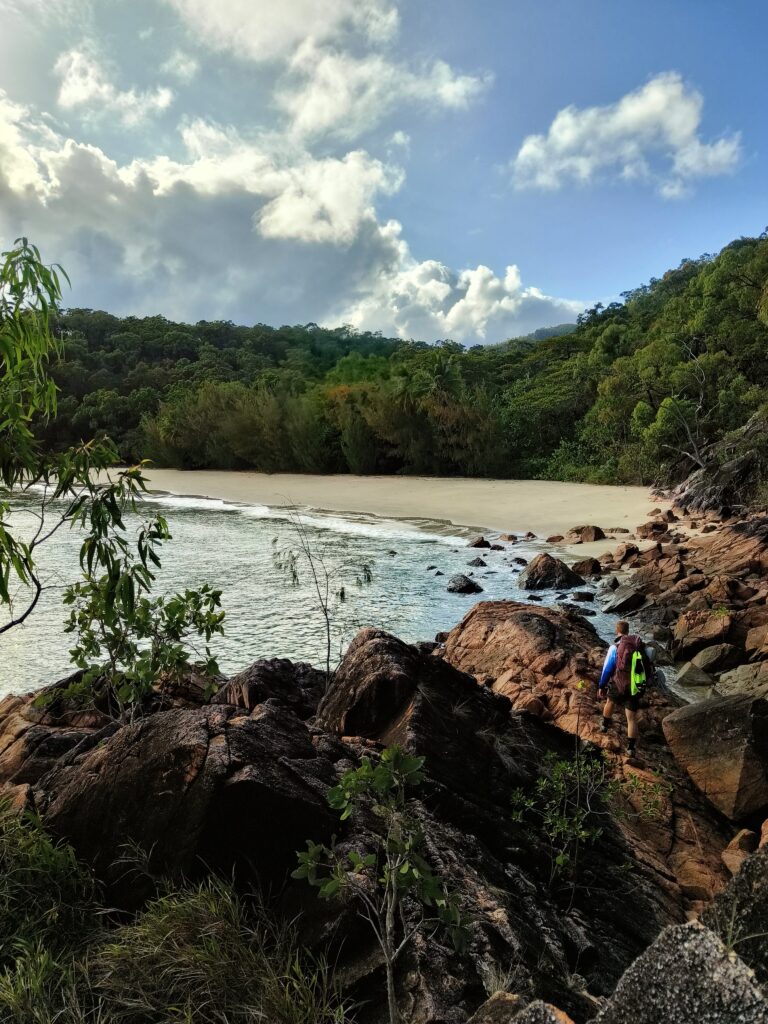
A multi-day hiking pack is designed to carry everything you need for trips lasting 2 to 5 days. Unlike a day pack — which holds the basics for a single day’s hike. Or an expedition pack — which is for extended journeys carrying full camping gear . A multi-day pack strikes a balance between size and functionality.
Most hikers using multi-day packs don’t need to bring a full camp setup. Especially if staying in huts or supported shelters. That’s why these packs generally range from 40 to 70 litres. These offer space for clothing, food, water, and a few extras without being bulky or overkill.
Key benefits of a good multi-day pack include:
- Fit & Comfort: Look for adjustable torso length, padded shoulder straps, and a supportive hip belt to distribute weight.
- Weight: A balance between durable materials and lightweight design makes long hikes more manageable.
- Compartments & Accessibility: Features like top-loading or front-loading access, side pockets, and hydration bladder sleeves help keep your gear organized and within reach.
- Ventilation System: Mesh back panels or airflow channels canreduce sweating and improve comfort on the trail.
Key Features of a Good Multi-Day Hiking Pack
Proper Fit and Adjustability
A proper fit is critical for comfort on long hikes. Look for a pack with adjustable torso length, shoulder straps, and hip belts to fine-tune the fit for your body.
- Torso length: Ensures the pack rests correctly on your back.
- Hip belt fit: Transfers weight to your hips, not your shoulders.
- Shoulder strap adjustability: Reduces pressure and improves stability.
- Ventilation panels: Help reduce sweat build-up on your back.
- Gender-specific or unisex models: Ensure a better ergonomic fit.
Capacity and Volume
Choosing the right pack size depends on your trip length and packing style. For multi-day hikes, 40–70L is a common range:
- 40–50L: Ideal for minimalist or short 1–3 day hikes.
- 50–70L: Better for longer trips or when carrying bulkier gear.
Minimalist hikers can shave weight and volume. But beginners may prefer extra space for comfort items.
Frame Type
Most modern packs use internal frames. These are lighter and better integrated than older external aluminum frames. Some smaller packs are frameless. These shift more weight onto your shoulders and can be less comfortable for longer treks.
For beginners, an internal frame pack offers the best balance of comfort, support, and durability.
Weight and Materials
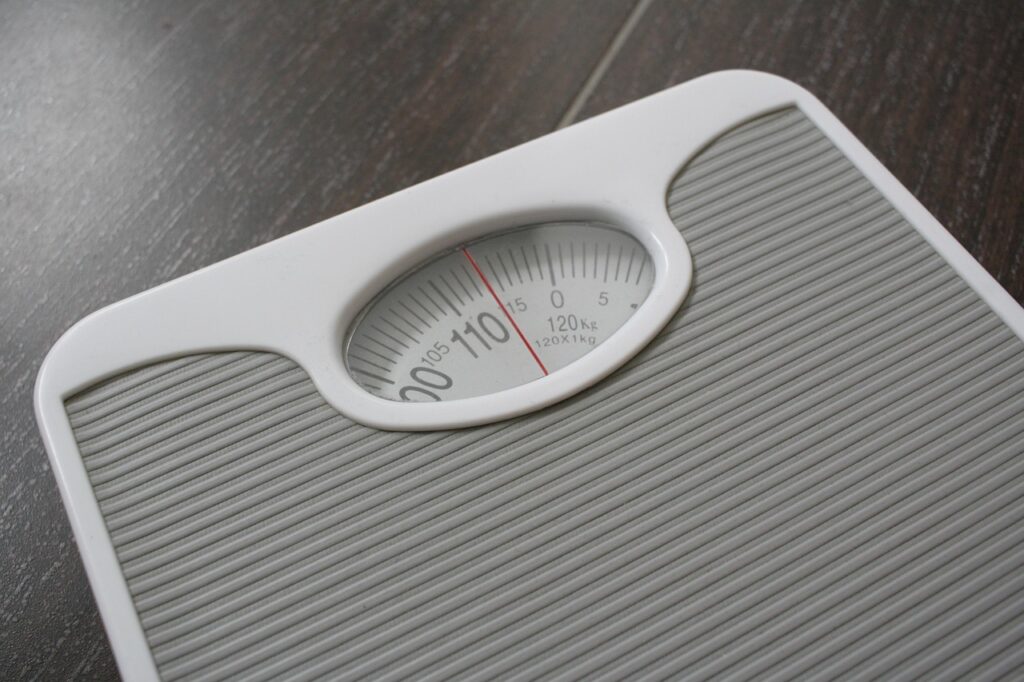
Lightweight packs are often made from high-performance materials. But these can be expensive and less durable. For most solo hiking beginners, it’s best to find a middle ground.
- Heavier materials (like thick nylon): More durable, often cheaper.
- Ultralight materials (like Dyneema): Very light, but costlier and may wear faster.
Aim for a pack that balances weight, cost, and long-term durability based on how often and where you hike.
Pockets and Accessibility
Easy access to gear is key, especially when hiking solo. Most packs are either top-loading or panel-loading:
- Top-loaders: Great for carrying bulkier gear and distributing weight well.
- Panel-loaders: Offer better organization and quick access.
Look for extras like hip belt pockets, side pockets, and hydration sleeves to keep essentials close at hand. Check out our free packing guide for more on what to pack.
Attachment Points and Expandability
Attachment points can expand your pack’s usefulness and help organize gear on the go:
- Gear loops and straps: Attach trekking poles, ice axes, or hang wet items.
- Hydration bladder sleeve: Makes staying hydrated easier on the trail.
- Compression straps: Reduce bulk and improve load stability.
These features aren’t a nice-to-have. They make your pack more versatile and beginner-friendly.
How to Choose the Right Hiking Pack for Your Trip
Now that you understand the key features of a good multi-day hiking pack. The next step is choosing one that suits your specific needs. Versatility should be at the top of your list. There’s no point investing in a specialised alpine climbing pack if you’re mostly doing weekend hut-to-hut hikes. Look for something adaptable that fits a range of activities.
Start by asking yourself a few questions:
- What kind of terrain will I be hiking in most often?
- Will I need to carry a tent, sleeping mat, or cooking gear?
- Do I hike in warm or wet climates where ventilation or weatherproofing matters?
Once you’ve considered your typical trips and must-have features. Head to your local outdoor store. Trying packs on in person is invaluable. The staff are often experienced hikers themselves and can offer useful recommendations. Test a few styles for fit and comfort, and don’t overlook gender-specific options if they apply. Take notes on what feels right — the perfect pack should feel like an extension of your body, not a burden.
Bonus Features Worth Considering
While core features like fit, size, and weight should guide your decision. A few thoughtful extras can make your hiking experience more convenient and enjoyable. Here are some bonus features worth looking for:
- Integrated Rain Cover – Keeps your gear dry during sudden downpours without needing a separate cover.
- Detachable Daypack – Offers flexibility for side trips, like short hikes from basecamp or walks to nearby lakes and rivers.
- Bright Colour for Visibility – High-visibility packs help you stand out in dense forest or in emergencies.
- Trekking Pole Attachments – Straps or loops designed to hold trekking poles when not in use.
- Hip Belt Pockets – Perfect for stashing snacks, a phone, or sunscreen within easy reach without taking off your pack.
While these bonus features can enhance your hiking experience. It’s important to know which features — or design flaws — might hold you back. Let’s take a look at what to avoid when choosing a multi-day pack.
What to Avoid in a Multi-Day Pack
Knowing what to look for in a hiking pack is only half the equation — it’s important to be aware of what to avoid. Here are some common red flags to watch out for before making your final choice:
- Overbuilt or Feature-Heavy Designs – Packs overloaded with gimmicky features can sometimes compensate for poor quality. Stick to essentials and focus on proven, trail-tested functionality.
- Poor Ventilation – A pack without a decent airflow system can become uncomfortable. Especially in hot or humid conditions.
- Weak Zippers – Flimsy or snag-prone zippers are a durability risk. Look for strong, smooth zippers with solid pull tabs that can withstand repeated use in the field.
- Poor Fit Adjustment Options – Packs without adjustable torso lengths, hip belts, or shoulder straps can lead to discomfort and strain over time. A good pack should offer enough adjustment to match your body shape and hiking style.
Now that you know what to avoid. Let’s look at some of our top picks for reliable, high-performing multi-day hiking packs.
Top-Rated Multi-Day Hiking Packs
With so many packs on the market, it can be overwhelming to know where to start. To help you cut through the noise, we’ve selected four reliable multi-day packs. These balance performance, comfort, and value — perfect for beginner to intermediate hikers.
Each pick below falls within the 40–70L sweet spot and is well-suited to trips lasting 2–5 days.
🧾 Multi-Day Hiking Packs (40–70L)
| Pack Name | Price Range | Capacity | Weight | Best For | Key Features |
| REI Co-op Trailmade 60 | Budget (<$150) | 60L | ~1.7 kg | Beginner hikers on a budget | Adjustable torso, basic comfort, no-frills build |
| Macpac Cascade 65L | Mid-range | 65L | ~2.6 kg | Intermediate hikers needing rugged reliability | Durable fabric, supportive harness, large capacity |
| Osprey Aether 65 / Atmos AG 65 | Premium ($300+) | 65L | ~2.2–2.5 kg | Comfort-focused hikers wanting a high-end fit | Anti-Gravity suspension, removable lid, premium materials |
| Osprey Ariel 65 (Women’s) | Premium ($300+) | 65L | ~2.3 kg | Female hikers needing custom fit & support | Female-specific fit, custom moldable hipbelt, ergonomic shoulder straps |
💸 Budget Pick (Under $150):
REI Co-op Trailmade 60 (Unisex)
Capacity: 60L | Weight: ~1.7 kg (3.75 lbs)
Why it’s great:
Affordable, beginner-friendly, and surprisingly durable. The Trailbreak has a simple, top-loading design, padded hip belt, and adjustable torso length — a rare feature at this price point. Great for hikers who are getting started and want a reliable pack without a big investment.
Best for: Budget-conscious hikers who still want decent fit and support.
💰 Mid-Range Pick ($150–$300):
Macpac Cascade 65L (Unisex)
Capacity: 65L | Weight: ~2.6 kg (5.7 lbs)
Why it’s great:
A rugged, load-hauling classic from New Zealand’s trusted Macpac brand. The Cascade offers outstanding durability, weather resistance, and a supportive harness system. It’s built for hut-to-hut or mixed shelter/backcountry trips and holds up over years of use.
Best for: Intermediate hikers looking for long-term value and reliability.
💎 Premium Pick ($300+):
Osprey Aether 65 / Osprey Atmos AG 65 (Unisex)
Capacity: 65L | Weight: ~2.2–2.5 kg (4.8–5.5 lbs)
Why it’s great:
Osprey’s premium packs are known for comfort and innovation. The Atmos AG features the Anti-Gravity suspension system. Which hugs your back and distributes weight almost magically. The Aether offers more adjustability and custom fit options, including a removable top lid and hip belt.
Best for: Hikers who value fit, advanced ventilation, and trail comfort over price.
🎒 Women’s-Specific Pick:
Osprey Ariel 65 (Women’s)
Capacity: 65L | Weight: ~2.3 kg (5.1 lbs)
Why it’s great:
Designed specifically for a woman’s frame. The Ariel offers a close, secure fit and excellent load transfer. It shares much of the performance DNA of the Aethe. But with improved comfort and ergonomics for female hikers. Custom-molded hip belt and shoulder straps help it feel like it was built just for you.
Best for: Women hikers looking for a high-performance, supportive, and well-fitted pack.
🧭 Which Pack Should You Choose?
| If you want… | Choose this pack: |
| A solid beginner pack on a budget | REI Co-op Trailbreak 60 |
| A tough, trail-proven pack for long-term use | Macpac Cascade 65L |
| The most comfortable carry for long treks | Osprey Aether 65 / Atmos AG 65 |
| A women’s-specific pack with a high-end fit | Osprey Ariel 65 |
Final Thoughts: Finding the Right Pack for Your Adventure
When it comes to planning multi-day hikes. One of the most important gear decisions you’ll make is your backpack. Understanding what makes a good multi day hiking pack can be the difference between a rewarding adventure and a painful slog.
The right pack balances comfort, fit, capacity, and weight. It should suit your body and your trip — not just look good on the shelf. Whether you’re heading into the backcountry for the first time or upgrading from an old setup. Focus on essentials. Good ventilation, adjustable harness, and enough room for your gear without going overboard.
We’ve outlined what to look for, what to avoid, and shared some trusted recommendations to get you started. Now it’s your turn.
👉 Your next step: Visit a local outdoor gear store and try on a few packs. Get a feel for what suits your frame, and ask for advice from staff who’ve tested the gear themselves. Then hit the trail with confidence, knowing you’ve chosen a pack built for your kind of adventure.
If you found this guide helpful. Be sure to check out Solo Hiking For Beginners: How to Start With Confidence and Safety.