Dreaming of hiking alone through Europe’s wild beauty?
Picture yourself crossing the jagged peaks of the Dolomites. Wandering through the rolling hills of the Scottish Highlands. Or standing alone in the untouched valleys of Albania.
If any of that excites you—you’re in the right place.
Solo hiking is booming, and Europe is one of the best regions in the world to explore on foot. With its well-marked trails, varied terrain, and rich culture. It’s perfect for independent adventurers.
In this guide, you’ll discover what makes a destination great for solo hiking. Along with five of the best solo hiking trips in Europe to inspire your next adventure.
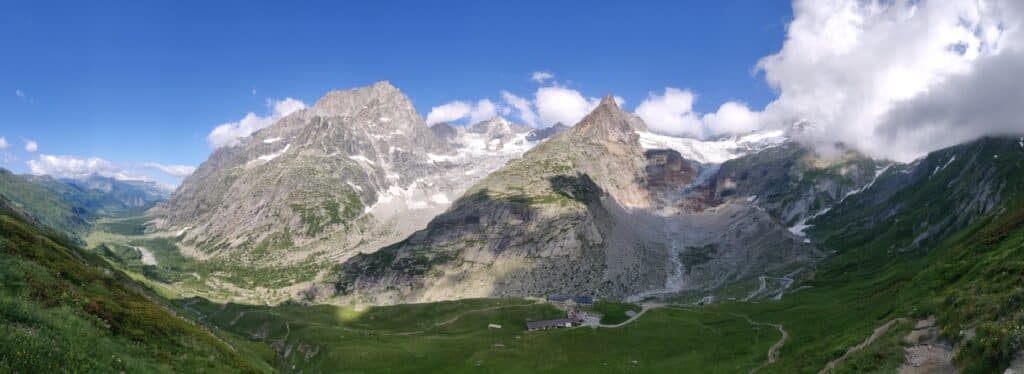
Key Factors that Make a Good Solo Hiking Destination Europe
Not all trails are created equal—especially when you’re hiking solo. Choosing the right destination can make or break your experience. Whether you’re a seasoned solo trekker or venturing out for the first time, these factors will help you find a safe, enjoyable, and rewarding solo hiking destination in Europe.
Best Time to Solo Hike in Europe
Europe offers diverse hiking conditions year-round. The best time for solo hiking depends on both the region and your experience level. Generally, late spring to early autumn (May–October) is ideal. Trails are more accessible, weather is mild, and services like mountain huts and transport are operational.
Popular areas like the Alps, Dolomites, and Pyrenees are best hiked between June and September. By then the snow has melted and waymarks are clear. Southern regions like Portugal, Spain, and parts of Greece can offer comfortable hiking conditions even in winter.
Timing your hike right not only improves safety. It also boosts your chances of solitude, good weather, and unforgettable views.
Trail Safety, Facilities and Support
When hiking solo, safety is non-negotiable. The best solo hiking destinations offer well-maintained trails, reliable waymarking, and access to emergency services. Countries like Switzerland, Italy, and Slovenia excel in this area. Thanks to strong outdoor infrastructure.
Look for destinations that feature:
- Well marked and graded trails
- Regular access to water, huts, or rest areas
- Mobile phone coverage (or emergency beacons)
Solo hikers should also consider regions with mountain rescue services, staffed huts, and well-established hiking culture. The more support available on-trail. The more confident and relaxed you’ll feel out there alone.
Language, Navigation and Waymarking
Clear navigation can make a solo hike stress-free. That’s why language barriers and signage matter. In most top hiking countries—like Austria, France, and Switzerland. Trails are well-marked and often use universal symbols or several languages.
Still, it’s wise to:
- Learn a few key hiking terms in the local language
- Carry offline GPS apps (like AllTrails or Maps.me)
- Download trail maps in advance
Trails with strong waymarking systems. Such as the Tour du Mont Blanc, West Highland Way, or Slovenian Mountain Trail—are perfect for solo hikers. You won’t have to second-guess directions, even when cell reception drops.
Transport and Accessibility
Getting to and from the trailhead is often overlooked—but it’s crucial when you’re hiking solo. The best destinations are well-connected by public transport. Making it easy to plan linear hikes or one-way routes without needing a car or hiking partner.
Look for countries with:
- Efficient rail and bus networks to trail towns
- Shuttle services to remote hiking hubs
- Affordable connections to/from major airports
Places like Switzerland, Scotland, and northern Italy offer some of the best hiking-to-transit access in Europe. That means more time on trail and less stress navigating logistics
Top Five Destinations for Solo Hiking Trips in Europe
Include in each section
- Trail types (day hikes vs. multi-day)
- Difficulty level
- Trail safety
- English spoken? Signage? Navigation ease?
1. Chamonix/Courmayeur
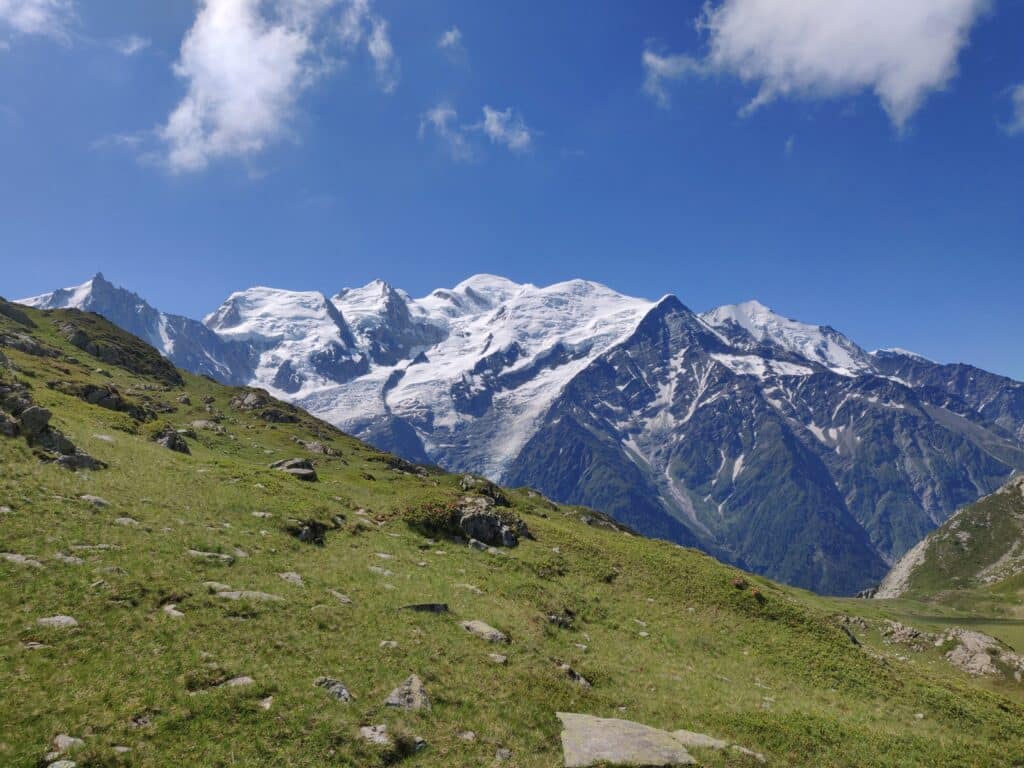
Chamonix and Courmayeur sit on opposite sides of the Mont Blanc Massif. Connected by the world-famous Tour du Mont Blanc. Read our full Mont Blanc hiking guide here.
In winter, they’re ski towns. In summer, they transform into hiking meccas.
These bustling alpine resorts have everything a solo hiker could need. Gear shops, hotels, mountain guides, well-marked trails, and easy access to high-alpine views via cable cars.
If you want a safe, beginner-friendly base with dramatic scenery. Either town is a perfect launchpad. English is widely spoken, trails are busy but friendly, and logistics are simple.
2. Switzerland
Switzerland might be the most accessible hiking country in the world. Almost every village and valley is connected by trains, buses, or cable cars. Making it ideal for solo travelers.
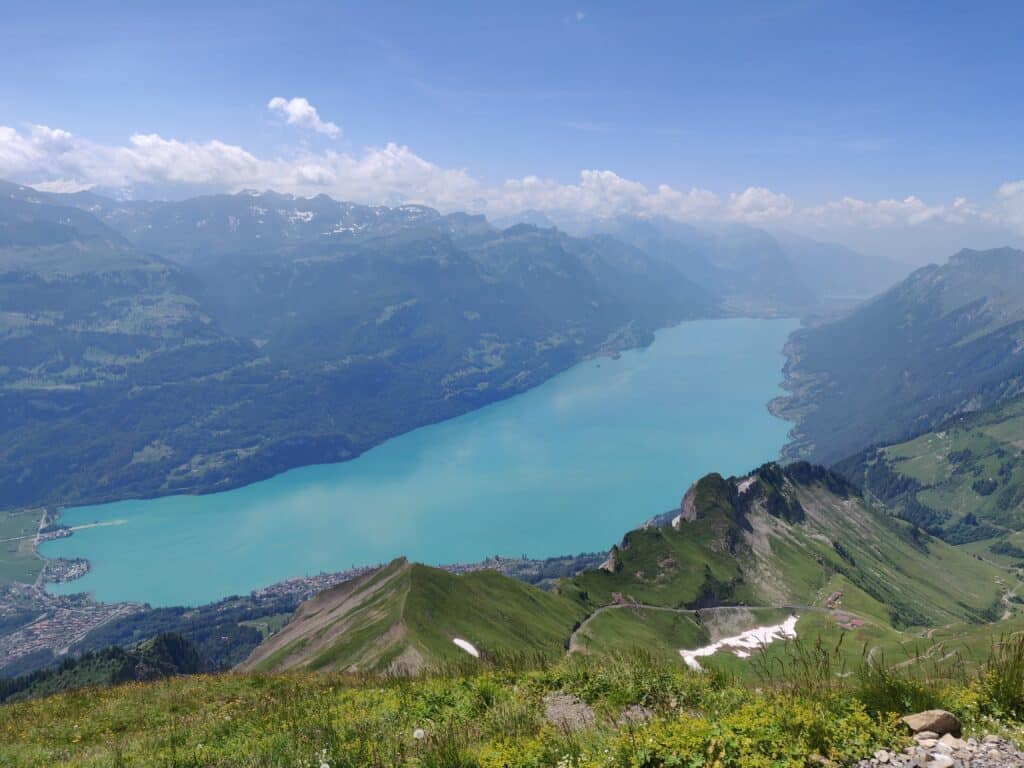
You can base yourself in cities like Geneva, Interlaken, or Zurich. While still accessing stunning day hikes. Many of the country’s famous trails start near train stations. You’ll find everything from high-alpine ridgelines to lakeside strolls.
What makes hiking here extra special? Farm-fresh cheese, alpine huts, and peaceful lakeside picnics. Your hike could even include a stop at a dairy selling homemade ice cream right on the trail.
For solo hikers, Switzerland offers world-class infrastructure, dependable trail signage, and true hiking freedom. Check out my weekend away in Switzerland.
3. Dolomites
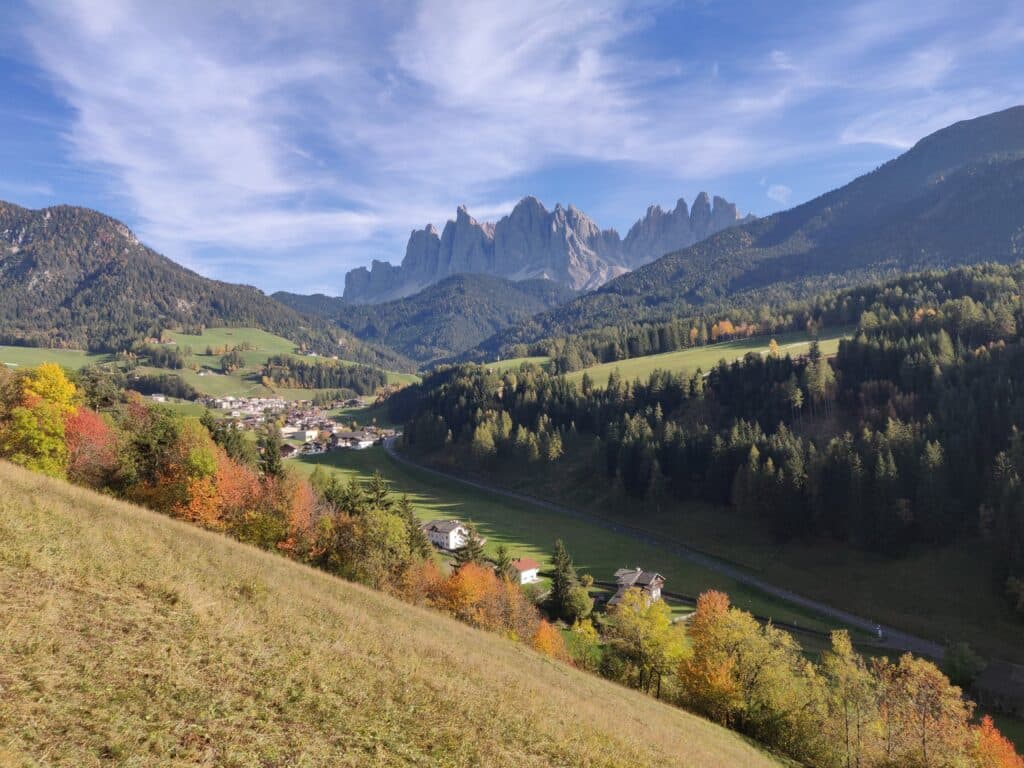
The Italian Dolomites are some of the most breathtaking mountains in Europe—and one of the best spots for solo hikers looking to balance beauty, comfort, and challenge.
Base yourself in towns like Ortisei, Cortina d’Ampezzo, or Selva di Val Gardena. Cable cars, buses, and chairlifts connect you to endless alpine trails. The views are epic! Soaring limestone peaks, green valleys, and cozy rifugios (mountain huts) dotting the landscape. These rifigios are perfect for your morning coffee or afternoon beer!
My pro tip: Pick up fresh bread, cheese, and fruit from a local market and enjoy a mountaintop picnic. With views that rival any in the world.
There’s a mix of day hikes and hut-to-hut treks, with plenty of bars and restaurants for post-hike recovery. It’s the perfect blend of wild and welcoming for a solo traveler.
4. Albania
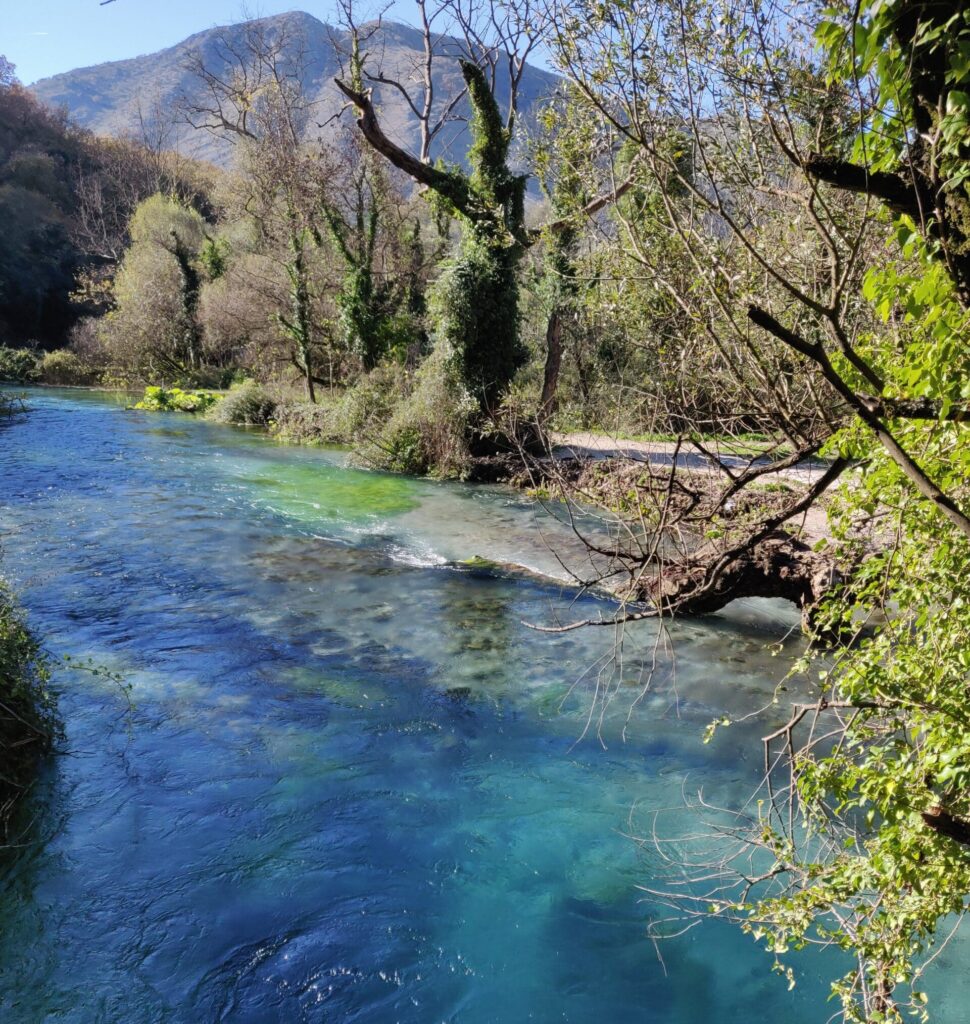
Albania might not be on every solo hiker’s radar—but it should be. The Albanian Alps, also known as the Accursed Mountains. Offer remote, wild and untouched beauty.
The trail between Valbona and Theth has become a standout in recent years. It’s a point-to-point route with towering peaks, river crossings, and villages where hospitality feels like a tradition.
Public transport is still developing, so renting a car is best. But what you get in return is solitude, authenticity, and some of the most untouched hiking in Europe.
Expect warm locals, Mediterranean/Italian inspired meals, and rugged, unforgettable landscapes. Albania is an adventurous solo hiker’s dream.
The image on the right was taken of The Blue Eye of Theth located in the foothils of the Albanian Alps.
5. Scotland
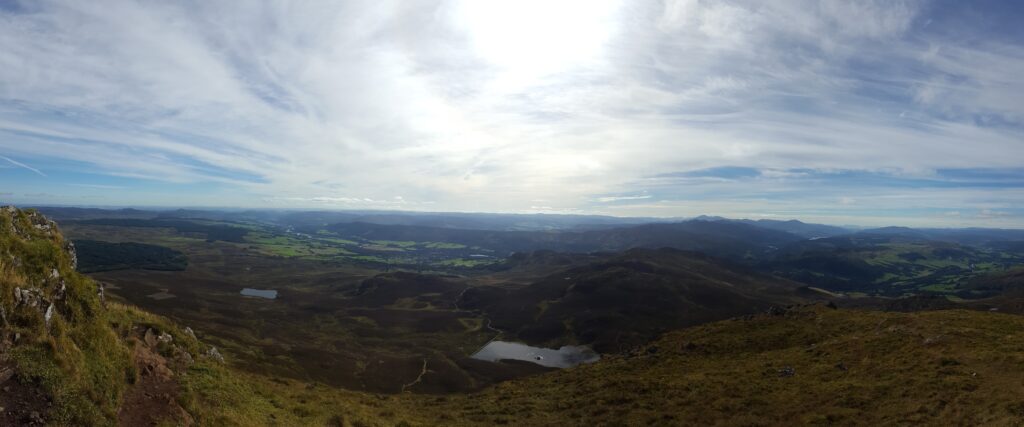
Scotland delivers rugged charm, ancient history, and raw natural beauty. Perfect for solo hikers who want solitude and challenge.
You’ll find excellent short hikes near Edinburgh and Perth. Or dive into a multi-day trek like the West Highland Way. Spanning 154 km (96 miles), it takes about 5–7 days and covers over 1,000 meters of elevation gain. It’s well-marked, scenic, and packed with variety—mountains, lochs, and moors.
Accommodation is flexible, from B&Bs with home-cooked meals to campsites and inns. There are baggage transfer services, so you can hike light if needed. And yes—you can hike with just a rail pass and some waterproofs if you time your weather window well.
It’s wild and beautiful. With enough infrastructure to keep things smooth for a solo adventurer.
Summary Table
| Destination | Terrain Type | Overall Difficulty | Best Time to Visit | Language Barrier | Trail Safety & Support | Signage & Navigation |
| Chamonix / Courmayeur | Alpine (high elevation, rocky, scenic passes) | Moderate to Hard | Mid-June to September | Low – English spoken in tourist areas | Excellent: popular trails, rescue services | Excellent: TMB is well-marked and mapped |
| Switzerland | Mixed: mountains, valleys, lakes, ridgelines | Easy to Moderate | May to October | Low – English common in tourist regions | World-class: signage, transport, mountain huts | Excellent: standardised national trail system |
| Dolomites | Steep alpine, rocky paths, grassy plateaus | Moderate to Hard | June to September | Low to Moderate – Some English, mostly Italian/German | Very Good: lifts, huts, active hiking culture | Very Good: CAI trail markers and maps |
| Albania | Rugged, remote, alpine valleys and ridges | Moderate to Challenging | June to September | Moderate to High – English less common in rural areas | Moderate: developing infrastructure, fewer facilities | Decent on main routes (e.g., Valbona–Theth); maps/GPS recommended |
| Scotland | Rolling hills, moorland, coastal paths | Easy to Moderate | May to September | Low – Native English | Good: well-known trails, emergency services available | Good: long-distance trails well-marked |
Wrap Up
We’ve explored what makes a great solo hiking destination in Europe. From trail safety and accessibility to terrain difficulty and navigation. We’ve also covered five of the best places to hike alone across the continent. Each offering its own unique scenery, support, and challenges.
Whether you’re drawn to the dramatic peaks of the Dolomites, the world-class infrastructure of Switzerland, or the remote beauty of Albania. There’s a trail out there waiting for you.
Now that you know what to look for. You’re well on your way to planning your next unforgettable solo hiking trip in Europe.
FAQ
Is Europe safe for solo hiking?
Yes—Europe is one of the safest regions in the world for solo hiking. Especially in countries like Switzerland, Scotland, Austria, and Slovenia. Most popular hiking routes are well-marked and frequented by other hikers, especially in summer. That said, always follow basic safety precautions. Check the weather, let someone know your plans, carry a map or GPS, and stay on established trails.
What is the best month for hiking in the Alps?
July and September are often considered the best months for hiking in the Alps. By July, most snow has melted and alpine trails are accessible. September offers cooler weather, fewer crowds, and stunning early autumn scenery. If you’re hiking solo, these shoulder months are ideal. Be sure to check trail conditions before you go.
Do I need permits to hike in Europe?
In most cases, no permits are required for hiking in Europe. Especially for day hikes or well-established trails. Some areas (like national parks or nature reserves) may have restrictions. Moutain huts may need bookings. For multi-day routes such as the Tour du Mont Blanc. Advance refuge bookings are essential, but permits are not needed.
What country is best for beginner solo hikers?
Switzerland is often the top pick for beginner solo hikers. It offers a well-organized transport system, well marked trails, world-class safety standards. Other beginner-friendly destinations include Scotland (especially the West Highland Way), France, and the Dolomites in northern Italy, where signage and support infrastructure are strong.