
Introduction
If there’s one list every hiker should know by heart, it’s the 10 Essentials.
First developed in the 1930s by The Mountaineers. This checklist was designed to help hikers be prepared for emergencies in the backcountry. Over time, the list has evolved—from individual items to essential systems. Its purpose remains the same: to keep you safe, self-reliant, and ready for the unexpected.
In this article, I’ll walk you through the 10 essentials I never hike without. Whether you’re a beginner or planning your first solo trek. These items form the foundation of every smart hiker’s pack.
Summary of My List
Navigation
Whether you’re on a popular trail or venturing into remote backcountry, navigation is your most critical tool. You need to know where you’re going—and how to get back.
There’s no one-size-fits-all solution, so it’s smart to bring multiple tools. This could be a paper topographic map, a photo of the trailhead map, or a downloaded offline map on apps like AllTrails, Gaia GPS, or Maps.me. No matter what you choose, make sure you can access it without mobile service.
For advanced navigation, consider pairing a topographic map with a GPS watch that includes an altimeter. Especially if you’re navigating elevation-heavy terrain.
Whatever the setup, always bring at least one backup. Batteries die, phones get dropped, and cloud cover can mess with GPS. Navigation isn’t just about getting there—it’s your lifeline when things go wrong.
Sun Protection
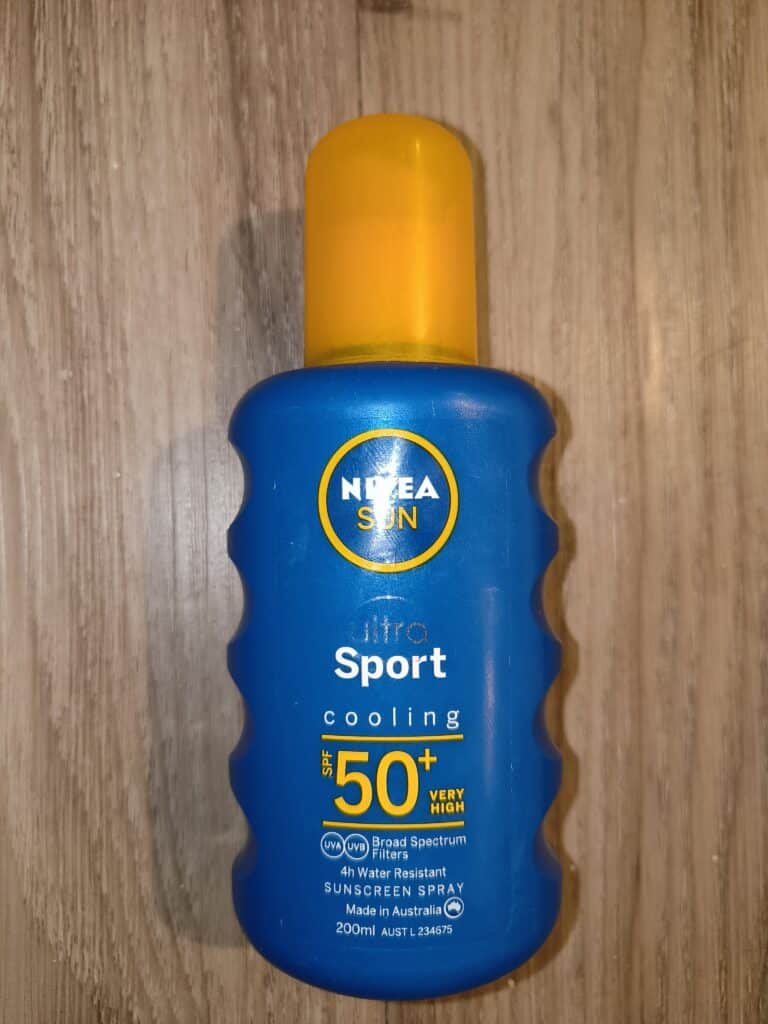
Sun exposure is no joke on the trail—especially at higher elevations or during long summer hikes. Protecting your skin, eyes, and overall comfort should be a top priority.
Start with a hat. Choose a wide-brimmed bucket hat or a legionnaire’s cap for full coverage of your face, ears, and neck. These styles offer functional sun protection while staying breathable and trail-friendly.
Next, apply sunscreen—and reapply regularly. Look for a broad-spectrum formula with SPF 30 or higher that suits your skin type. Don’t forget commonly missed spots like the ears, back of the neck, and hands.
Clothing matters too. A long-sleeve shirt made from lightweight, breathable fabric can protect your arms without overheating you. (See our hiking clothing guide for fabric tips.)
Finally, bring a solid pair of sunglasses. Look for polarized lenses with UV protection that wrap around your face to block peripheral sunlight. This not only protects your eyes but also reduces squinting and fatigue over long distances.
When it comes to sun protection, layering your defense is key—because once you’re burnt, it’s already too late.
Hydration – Extra Water or Treatment
Staying properly hydrated can make or break your hike—especially in warm weather or on exposed trails. Dehydration leads to fatigue, headaches, and poor decision-making, all of which you want to avoid in the outdoors.
A good rule of thumb is to carry at least 500 mL of water per hour of moderate hiking. But conditions vary—so when in doubt, pack more than you think you’ll need. That extra bottle could become your safety net.
For backup, always carry a water purification method in case you need to refill from streams or lakes. Lightweight options include a filter straw (like the LifeStraw) or chemical tablets (like Aquatabs or iodine). These add barely any weight to your pack but could be critical in a pinch.
Also consider how you carry your water. Hydration bladders with drinking tubes are convenient on the go, while bottles are easier to refill and monitor.
Hydration isn’t just about performance—it’s about safety. Prepare for more than you think you’ll need, and your body will thank you for it on the trail.
Food
Just like hydration, the food you bring fuels your body throughout the hike. Without it, you risk running out of energy, losing focus, or hitting “the wall” far from the trailhead.
Start with a solid base meal—something easy to carry and calorie-rich like a sandwich, wrap, or rice cakes with nut butter. These give you lasting energy for the middle of the day.
Then layer in snacks you can eat on the move: trail mix, nuts, muesli bars, dried fruit, jerky, or energy chews. Look for high-calorie, nutrient-dense options that won’t melt, squish, or spoil in your pack.
Finally, pack a small stash of emergency food—an extra bar or two you don’t touch unless you’re delayed, take a wrong turn, or need to wait for help. It’s lightweight insurance that’s well worth carrying.
Tip: Think of food like fuel. Regular, steady intake keeps your body running strong—especially on longer or more strenuous hikes.
First Aid
Let’s be honest—first aid kits often feel like dead weight in your pack. But the one time you need it, you’ll be grateful you brought it.
Most off-the-shelf kits include the basics: bandages, antiseptic wipes, gauze, tweezers, and blister care. Start with one of these, then add personal touches like your go-to painkiller, antihistamines, or strapping tape (my must-have on every hike).
Once dialed in, your kit stays compact and easy to stash—just toss it in every time you head out. It’s one of those essentials you hope never to use, but wouldn’t hike without.
Knife
A knife is one of those tools you don’t realize you need—until you really do. I carry a Swiss Army knife I picked up in Geneva a few years back. And it’s been a trail companion ever since.
Whether you’re slicing up lunch, trimming a loose thread, opening a food packet, or handling a gear repair. A solid, lightweight knife is incredibly handy. You don’t need anything fancy—just something durable, compact, and reliable.
It weighs next to nothing and takes up little space. For the amount of utility it offers, it’s a must-have on every hike.
Extra Layers – Rain Jacket & Thermals
Weather in the outdoors can shift fast—no matter the season. That’s why packing extra layers is essential for any hike.
Start with a lightweight rain jacket. It’ll keep you dry during sudden downpours and double as a windbreaker when things get gusty. Then add a thermal underlayer—something compact that provides warmth when the temperature drops unexpectedly, especially in alpine or exposed environments.
These items are low-bulk, high-impact. Most of the time, they’ll sit quietly in your pack. But when you need them, you’ll be incredibly glad they’re there.
Shelter
If you’re hiking in remote areas or heading out for extended periods, carrying some form of emergency shelter is a must.
Shelter options include a tarp, bivvy sack, or space blanket. The best choice depends on your environment and season. A space blanket is one of the lightest and most compact options available. It fits in the palm of your hand, adds almost no weight, and can provide lifesaving warmth and protection in a pinch.
Even if you never use it, having an emergency shelter adds a layer of safety you won’t regret.
Fire Starters – Matches or Lighter
Even if you’re not planning to cook, carrying a fire starter is an important part of any hiking kit.
A lighter or waterproof matches can be a lifesaver in an emergency. Using them for warmth, signaling, or drying out gear. They also come in handy for small trail fixes, like sealing the end of a frayed rope or unsticking frozen gear.
They’re compact, cheap, and weigh almost nothing—there’s really no reason to leave them behind.
Appropriate Footwear
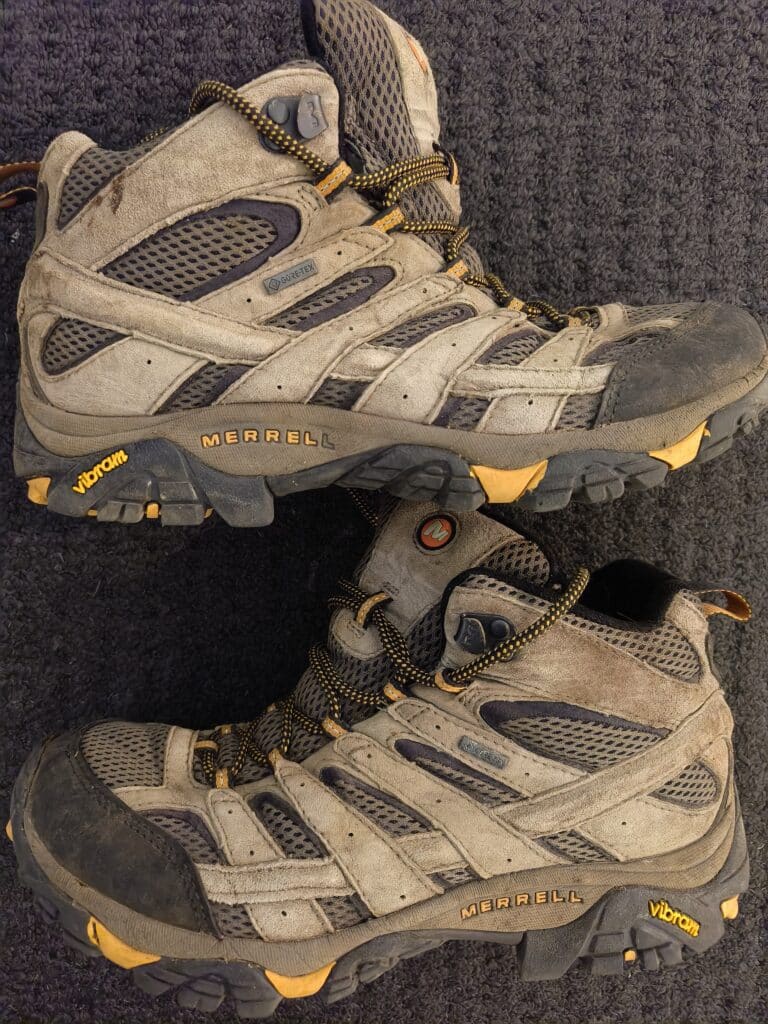
Your shoes are your direct connection to the trail, so make sure you choose something appropriate for your hike.
For a summer day hike, opt for lightweight and breathable footwear, like trail runners or light hikers. For a multi-day or backcountry trek, choose durable, waterproof boots that offer solid support and protection.
Whatever you decide on, comfort and quality are non-negotiable—the right footwear can be the difference between a memorable hike and a painful slog.
👉 For a deeper dive, check out our full article on choosing the right hiking shoes.
Wrap Up
Whether you’re heading out for a short day hike or a multi-day backcountry adventure, the 10 Essentials for hiking are non-negotiable. Each item plays a vital role in helping you stay safe, comfortable, and prepared on the trail.
Navigation keeps you on course.
Sun protection shields you from harmful UV rays.
Hydration and food fuel your body and keep energy levels steady.
A first aid kit handles minor injuries before they become major problems.
A knife or multi-tool covers everything from gear repairs to meal prep.
Extra layers keep you warm and dry when the weather turns.
Emergency shelter offers a lifeline if you get stuck or need to stop unexpectedly.
Fire starters give you warmth, light, and the ability to cook or signal for help.
And of course, the right footwear supports every step of the journey.
Together, these essentials form a simple but powerful safety net—one that gives you the confidence to tackle new trails and enjoy solo hiking with peace of mind.
✔️ Pack smart.
✔️ Plan ahead.
✔️ Respect the outdoors—and your limits.
And you’ll be ready for whatever the trail throws your way.